Like us on facebook
Follow us on twitter
review us on google

Improving Ankle Mobility and Stability Through Targeted Stretching

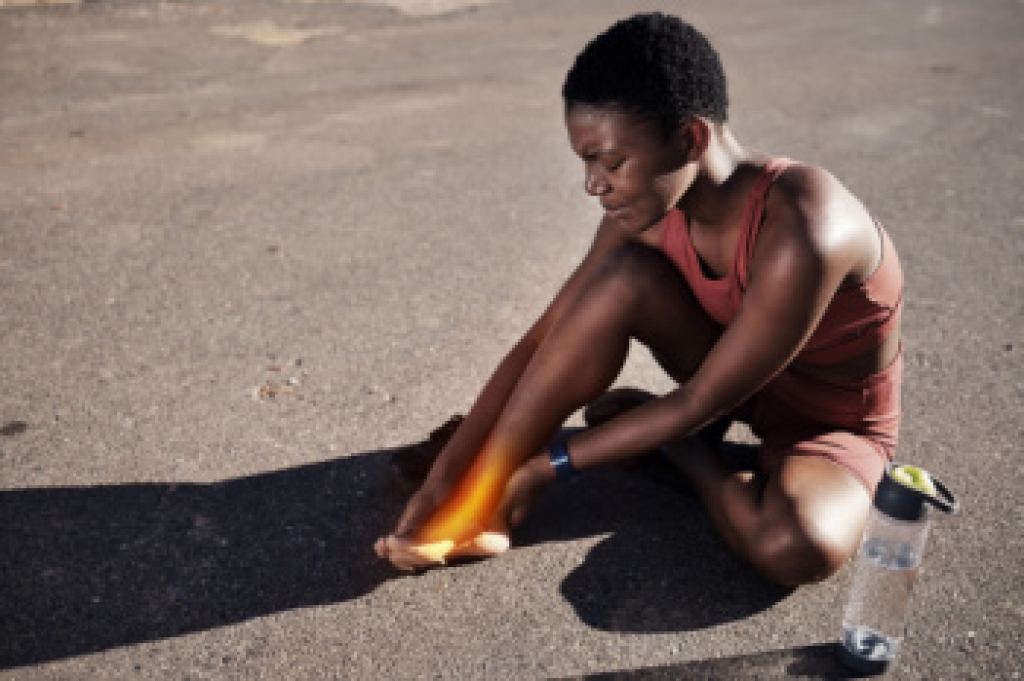
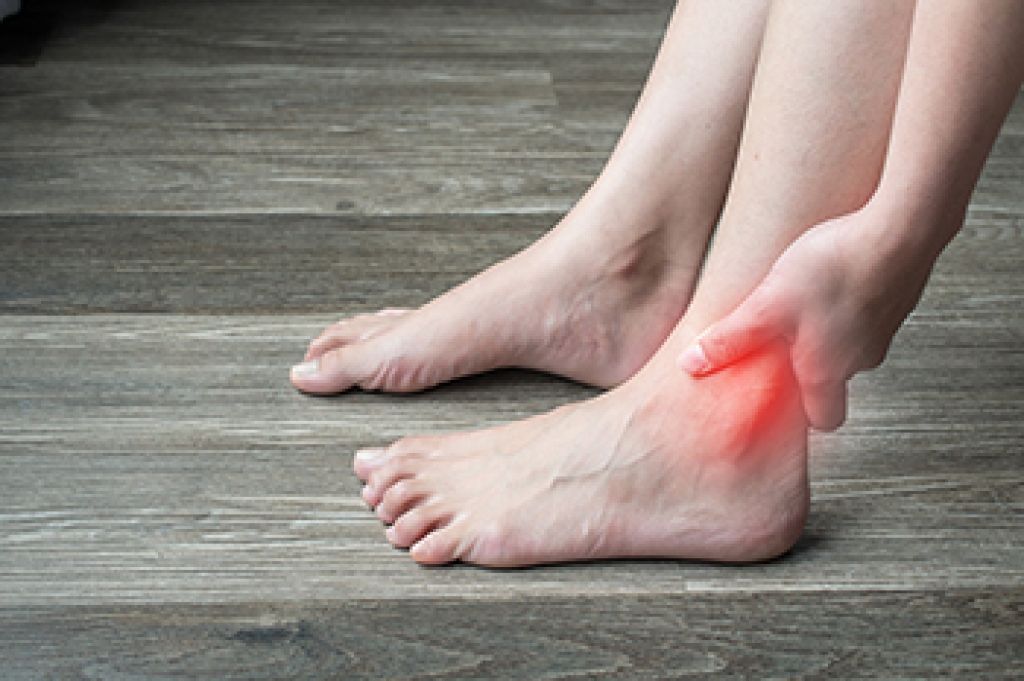
Ankle stretches are controlled movements that improve flexibility, strength, and joint function in the ankle and surrounding structures. These exercises are essential for maintaining a full range of motion, which allows the foot and ankle to move efficiently during walking, running, and athletic activity. Proper ankle mobility helps absorb shock during impact and supports better lateral movement, which is important for balance and injury prevention. Without adequate flexibility, the ankle joint can become stiff, increasing the risk of strain and instability.

Common symptoms of limited ankle mobility include reduced movement, discomfort during activity, and a higher risk of sprains. Individuals with restricted range of motion may notice difficulty with movements like toe pointing or ankle rolling. Over time, poor mobility can affect gait patterns and place excess stress on other joints. Risk factors include a history of ankle injury, prolonged sitting, improper footwear, and lack of regular stretching. Tight calf muscles and weak stabilizing muscles can also contribute to reduced flexibility and control.


Several effective ankle stretches can improve function and stability. The cross-leg ankle stretch involves placing one ankle over the opposite knee and gently rotating the foot to increase mobility. Forward toe point and ankle rotation exercises encourage controlled movement by pointing the toes away from the body and rotating the ankle in circular motions. Seated ankle stretches allow for focused control while reducing weight bearing stress. These movements help strengthen the joint, improve circulation, and support coordinated motion.


Incorporating ankle stretches into a daily routine can enhance performance and reduce the risk of injury. Improved flexibility allows the ankle to absorb shock more effectively and adapt to uneven surfaces. Consistent practice also promotes better balance and coordination. If you have an ankle injury or pain, it is suggested that you consult a podiatrist who can offer effective treatment solutions, and additional ankle stretches tailored to your needs.

Why Stretching Is Important for Your Feet

Stretching the feet is a great way to prevent injuries. If you have any concerns with your feet consult with Richard DiBacco, DPM from Podiatry Associates of Erie, Inc.. Our doctor will assess your condition and provide you with quality foot and ankle treatment.

Stretching the Feet

Stretching the muscles in the foot is an important part in any physical activity. Feet that are tight can lead to less flexibility and make you more prone to injury. One of the most common forms of foot pain, plantar fasciitis, can be stretched out to help ease the pain. Stretching can not only ease pain from plantar fasciitis but also prevent it as well. However, it is important to see a podiatrist first to determine if stretching is right for you. Podiatrists can also recommend other ways to stretch your feet. Once you know whether stretching is right for you, here are some excellent stretches you can do.

  • Using a foam roller or any cylindrical object (a water bottle or soda can will do), roll the object under your foot back and forth. You should also exert pressure on the object. Be sure to do this to both feet for a minute. Do this exercise three times each.
  • Similar to the previous exercise, take a ball, such as a tennis ball, and roll it under your foot while seated and exert pressure on it.
  • Grab a resistance band or towel and take a seat. If you are using a towel, fold it length wise. Next put either one between the ball of your foot and heel and pull with both hands on each side towards you. Hold this for 15 seconds and then switch feet. Do this three times for each foot.
  • Finally hold your big toe while crossing one leg over the other. Pull the toe towards you and hold for 15 seconds. Once again do this three times per foot.

It is best to go easy when first stretching your foot and work your way up. If your foot starts hurting, stop exercising to ice and rest the foot. It is advised that you then see a podiatrist for help.

If you have any questions please contact one of our offices located in Erie and Meadville, PA, . We offer the newest diagnostic and treatment technologies for all your foot and ankle needs.

Read more about How to Stretch Your Feet

Facts About Foot Stress Fractures

Foot stress fractures are small cracks in the bones of the foot that develop from repetitive force or overuse, rather than a single traumatic injury. These injuries are common in athletes, runners, and others who suddenly increase their physical activity. In podiatry, stress fractures are considered overuse injuries that most often affect the metatarsal bones, although they can also occur in the heel, navicular bone, or other areas of the foot. Because these fractures develop gradually, they are sometimes mistaken for simple muscle strain or foot fatigue in the early stages.

Symptoms of a foot stress fracture typically begin with mild pain that worsens during activity and improves with rest. The pain may become more persistent and localized to a specific area of the foot. Swelling, tenderness, and sensitivity to pressure are also common signs. Some individuals notice pain when walking or standing for long periods, even without intense physical activity. In more advanced cases, the discomfort may become severe enough to limit daily movement and athletic participation. Early recognition of these symptoms is important to prevent the injury from worsening.

Risk factors for foot stress fractures include high-impact activities like running, basketball, and dance. Sudden increases in training intensity, frequency, or duration can place excessive stress on the bones of the foot. Footwear that lacks support or adequate cushioning also increases risk. Additional factors include low bone density, poor nutrition, and vitamin D deficiency. Biomechanical issues, such as flat feet or high arches, are other factors. People who have had previous stress fractures are also at higher risk of recurrence.

The primary causes of foot stress fractures involve repetitive mechanical loading on the bones without adequate recovery time. This repetitive stress leads to tiny cracks that gradually worsen if activity continues without rest or treatment. Poor training techniques, hard training surfaces, and improper biomechanics can all contribute to excessive bone stress. Without proper care, a stress fracture may progress and lead to a complete fracture. This may require longer recovery time and more restrictive treatment. If you have developed a foot stress fracture, it is suggested that you consult a podiatrist for an accurate diagnosis and effective relief and treatment solutions.

Activities where too much pressure is put on the feet can cause stress fractures. To learn more, contact Richard DiBacco, DPM from Podiatry Associates of Erie, Inc.. Our doctor can provide the care you need to keep your pain free and on your feet.

Dealing with Stress Fractures of the Foot and Ankle

Stress fractures occur in the foot and ankle when muscles in these areas weaken from too much or too little use.  The feet and ankles then lose support when walking or running from the impact of the ground. Since there is no protection, the bones receive the full impact of each step. Stress on the feet can cause cracks to form in the bones, thus creating stress fractures.

What Are Stress Fractures?

Stress fractures occur frequently in individuals whose daily activities cause great impact on the feet and ankles. Stress factors are most common among:

  • Runners                                
  • People affected with Osteoporosis
  • Tennis or basketball players
  • Gymnasts
  • High impact workouts

Symptoms

Pain from the fractures occur in the area of the fractures and can be constant or intermittent. It will often cause sharp or dull pain with swelling and tenderness. Engaging in any kind of activity which involves high impact will aggravate pain.

If you have any questions please contact one of our offices located in Erie and Meadville, PA, . We offer the newest diagnostic and treatment technologies for all your foot and ankle needs.

Read more about Dealing with Stress Fractures of the Foot and Ankle

Prioritize Your Feet

Our feet are complex and vital structures that often go underappreciated until pain or issues arise. Comprising 26 bones, 33 joints, and an intricate network of nerves and blood vessels, our feet provide the stability and balance essential for every step. Ignoring their health can lead to a range of issues, from mild discomfort to serious conditions, especially in those with diabetes, where foot complications can escalate quickly. Wearing well-fitted shoes and regularly visiting a podiatrist are important steps to ensure optimal foot health, allowing us to prevent or manage issues early. Focusing on foot care helps us maintain mobility and independence, highlighting the importance of paying attention to these important yet often overlooked parts of our body. If you would like to safeguard the health of your feet, it is suggested that you schedule appointments with a podiatrist for routine exams.

Everyday foot care is very important to prevent infection and other foot ailments. If you need your feet checked, contact Richard DiBacco, DPM from Podiatry Associates of Erie, Inc.. Our doctor can provide the care you need to keep you pain-free and on your feet.

Everyday Foot Care

Often, people take care of their bodies, face and hair more so than they do for their feet. But the feet are a very important aspect of our bodies, and one that we should pay more attention to. Without our feet, we would not be able to perform most daily tasks.

It is best to check your feet regularly to make sure there are no new bruises or cuts that you may not have noticed before. For dry feet, moisturizer can easily be a remedy and can be applied as often as necessary to the affected areas. Wearing shoes that fit well can also help you maintain good foot health, as well as making it easier to walk and do daily activities without the stress or pain of ill-fitting shoes, high heels, or even flip flops. Wearing clean socks with closed shoes is important to ensure that sweat and bacteria do not accumulate within the shoe. Clean socks help to prevent Athlete’s foot, fungi problems, bad odors, and can absorb sweat.

If you have any questions, please feel free to contact one of our offices located in Erie and Meadville, PA, . We offer the newest diagnostic and treatment technologies for all your foot care needs.

Read more about Every Day Foot Care

What Can Influence Bunion Formation

A bunion develops when the big toe gradually shifts out of normal alignment, creating a noticeable bump near its base. Several factors can increase the likelihood of this condition. Family history plays a major role, as inherited foot structure may make some people more prone to joint instability. Footwear that crowds the toes or places repeated pressure on the front of the foot can worsen mechanical stress, over time. Flat feet or abnormal walking patterns may also change how weight is distributed across the joint. Inflammatory joint conditions can weaken support around the area and contribute to progression. Women are affected more often, partly due to both foot structure and footwear habits. A podiatrist can assess alignment, movement, and pressure patterns to guide treatment decisions. If you notice big toe shifting or joint pain, it is suggested that you visit a podiatrist for a proper diagnosis and appropriate treatment.

If you are suffering from bunions, contact Richard DiBacco, DPM of Podiatry Associates of Erie, Inc.. Our doctor can provide the care you need to keep you pain-free and on your feet.

What Is a Bunion?

A bunion is formed of swollen tissue or an enlargement of boney growth, usually located at the base joint of the toe that connects to the foot. The swelling occurs due to the bones in the big toe shifting inward, which impacts the other toes of the foot. This causes the area around the base of the big toe to become inflamed and painful.

Why Do Bunions Form?

Genetics – Susceptibility to bunions are often hereditary

Stress on the feet – Poorly fitted and uncomfortable footwear that places stress on feet, such as heels, can worsen existing bunions

How Are Bunions Diagnosed?

Podiatrists often perform two tests – blood tests and x-rays – when trying to diagnose bunions, especially in the early stages of development. Blood tests help determine if the foot pain is being caused by something else, such as arthritis, while x-rays provide a clear picture of your bone structure to your provider.

How Are Bunions Treated?

  • Refrain from wearing heels or similar shoes that cause discomfort
  • Select wider shoes that can provide more comfort and reduce pain
  • Anti-inflammatory and pain management drugs
  • Orthotics or foot inserts
  • Surgery

If you have any questions, please feel free to contact one of our offices located in Erie and Meadville, PA, . We offer the newest diagnostic and treatment technologies for all your foot care needs.

Read more about Bunions

Why Live with Pain and Numbness in Your Feet?

Suffering from this type of pain? You may have the foot condition known as Morton's neuroma. Morton's neuroma may develop as a result of ill-fitting footwear and existing foot deformities. We can help.

Connect With Us

scroll to top