Like us on facebook
Follow us on twitter
review us on google

Bunions May Cause Toe Pain

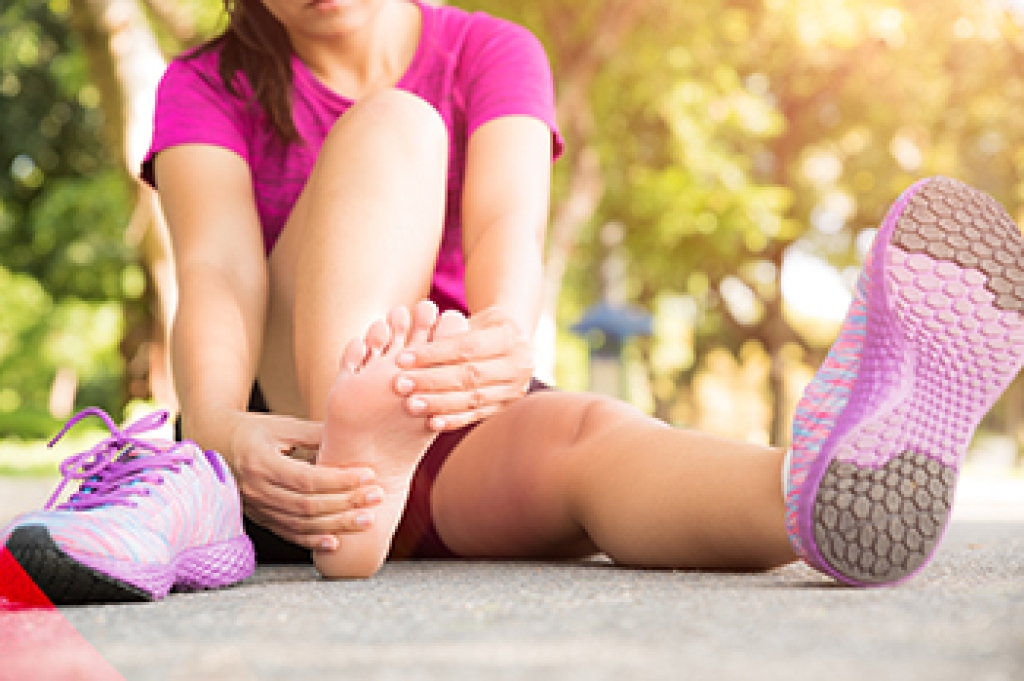
A bunion is a bony protrusion that forms on the side of the big toe and may cause toe pain. The pain may come from the joints in the big toe as the bunion pushes it out of alignment. The big toe may be swollen, red, and stiff, and may worsen until medical attention is received. This condition is caused by wearing shoes that do not have adequate room for the toes to move freely in. A small bump can develop, causing a deformity in the big toe. This toe contributes significantly to walking, rising up on the balls of the feet, and maintaining the body’s balance. Toe pain can cause difficulty in accomplishing these moves, and relief is often sought. This can begin with choosing shoes that fit correctly and wearing custom-made orthotics may help the affected foot to regain alignment. Large bunions may cause the toes to shift toward each other, and the toe pain may become severe. If you have toe pain, it is suggested that you consult with a podiatrist who can effectively diagnose a bunion, and offer you treatment to alleviate any toe pain it may cause.

Toe pain can disrupt your daily activities. If you have any concerns, contact Richard DiBacco, DPM of Podiatry Associates of Erie, Inc.. Our doctor can provide the care you need to keep you pain-free and on your feet.

What Causes Toe Pain?

Most severe toe pain is caused due to a sports injury, trauma from dropping something heavy on the toe, or bumping into something rigid. Other problems can develop over time for various reasons.

Toe pain can be caused by one or more ailments. The most common include:

  • Trauma
  • Sports injury
  • Wearing shoes that are too tight
  • Arthritis
  • Gout
  • Corns and calluses
  • Hammertoe
  • Bunions
  • Blisters
  • Ingrown toenails
  • Sprains
  • Fractures (broken bones)
  • Dislocations

When to See a Podiatrist

  • Severe pain
  • Persistent pain that lasts more than a week
  • Signs of infection
  • Continued swelling
  • Pain that prevents walking

Diagnosis

In many cases the cause of toe pain is obvious, but in others, a podiatrist may want to use more advanced methods to determine the problem. These can range from simple visual inspections and sensation tests to X-rays and MRI scans. Prior medical history, family medical history, and any recent physical traumatic events will all be taken into consideration for a proper diagnosis.

Treatment

Treatments for toe pain and injuries vary and may include shoe inserts, padding, taping, medicines, injections, and in some cases, surgery. If you believe that you have broken a toe, please see a podiatrist as soon as possible.

If you have any questions please contact one of our offices located in Erie and Meadville, PA, . We offer the newest diagnostic and treatment technologies for all your foot and ankle needs.
Read more about Toe Pain

Seniors and Bone Fractures

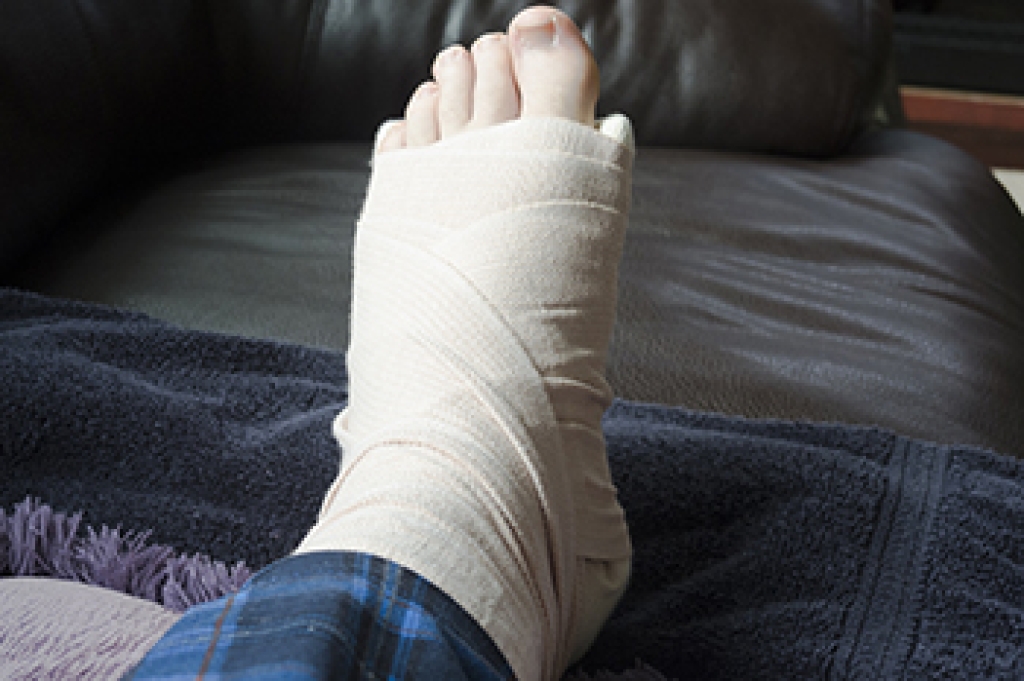
Seniors can be prone to bone fractures because their bones are older, more brittle, and crack easily. Also, people in this age group are more likely to have other health-related conditions, like osteoporosis, that lead to weakened bones or foot ailments caused by diabetes, putting them at further risk of falls and broken bones. Fractures to feet and ankles are also common. These fractures should be treated promptly because seniors may also have a compromised ability to heal. Participating in regular exercise and getting adequate amounts of vitamin D and calcium can help prevent bone fractures in this age group. More specific treatments depend on the location and severity of the bone breaks. If you are a senior or care for one, it is suggested that you consult with a podiatrist who can help with fall prevention techniques as well as treat fractures that may occur in your feet and ankles.

A broken foot requires immediate medical attention and treatment. If you need your feet checked, contact Richard DiBacco, DPM from Podiatry Associates of Erie, Inc.. Our doctor can provide the care you need to keep you pain-free and on your feet.

Broken Foot Causes, Symptoms, and Treatment

A broken foot is caused by one of the bones in the foot typically breaking when bended, crushed, or stretched beyond its natural capabilities. Usually the location of the fracture indicates how the break occurred, whether it was through an object, fall, or any other type of injury. 

Common Symptoms of Broken Feet:

  • Bruising
  • Pain
  • Redness
  • Swelling
  • Blue in color
  • Numbness
  • Cold
  • Misshapen
  • Cuts
  • Deformities

Those that suspect they have a broken foot shoot seek urgent medical attention where a medical professional could diagnose the severity.

Treatment for broken bones varies depending on the cause, severity and location. Some will require the use of splints, casts or crutches while others could even involve surgery to repair the broken bones. Personal care includes the use of ice and keeping the foot stabilized and elevated.

If you have any questions, please feel free to contact one of our offices located in Erie and Meadville, PA, . We offer the newest diagnostic and treatment technologies for all your foot care needs.

Read more about Causes, Symptoms, and Treatment for a Broken Foot

Gait Disorders in Seniors

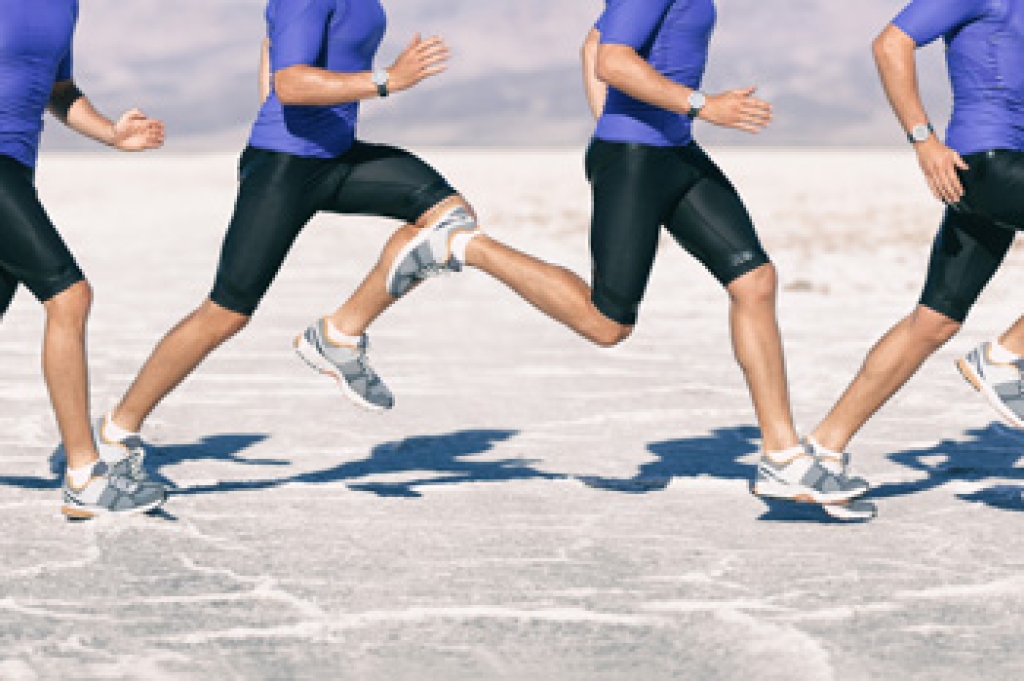
Independent mobility is paramount to the quality of life for seniors. A senior’s gait and ability to rise comfortably from a chair, as well as walk and balance, are necessary for independent mobility. As one ages, their walking speed declines, especially after age 70. The speed of walking is known as gait velocity, which is a predictor of chronic medical conditions, hospitalizations, and even mortality. Calf muscles propel the body forward, and their strength lessens in older years. Many factors may affect the gait of older adults, including neurologic disorders like dementia, and musculoskeletal conditions, such as spinal stenosis. Seniors can participate in an exercise program that focuses on flexibility, strengthening, and balance to do what they can to maintain a good gait. If you are a senior, it is suggested that you see a podiatrist who can help you ensure the best biomechanics of the feet for a happier, healthier life.

If you have any concerns about your feet, contact Richard DiBacco, DPM from Podiatry Associates of Erie, Inc.. Our doctor can provide the care you need to keep you pain-free and on your feet.

Biomechanics in Podiatry

Podiatric biomechanics is a particular sector of specialty podiatry with licensed practitioners who are trained to diagnose and treat conditions affecting the foot, ankle and lower leg. Biomechanics deals with the forces that act against the body, causing an interference with the biological structures. It focuses on the movement of the ankle, the foot and the forces that interact with them.

A History of Biomechanics

  • Biomechanics dates back to the BC era in Egypt where evidence of professional foot care has been recorded.
  • In 1974, biomechanics gained a higher profile from the studies of Merton Root, who claimed that by changing or controlling the forces between the ankle and the foot, corrections or conditions could be implemented to gain strength and coordination in the area.

Modern technological improvements are based on past theories and therapeutic processes that provide a better understanding of podiatric concepts for biomechanics. Computers can provide accurate information about the forces and patterns of the feet and lower legs.

Understanding biomechanics of the feet can help improve and eliminate pain, stopping further stress to the foot.

If you have any questions please feel free to contact one of our offices located in Erie and Meadville, PA, . We offer the newest diagnostic and treatment technologies for all your foot and ankle needs.
Read more about The Importance of Biomechanics in Podiatry

The Importance of Foot Care for Child Athletes

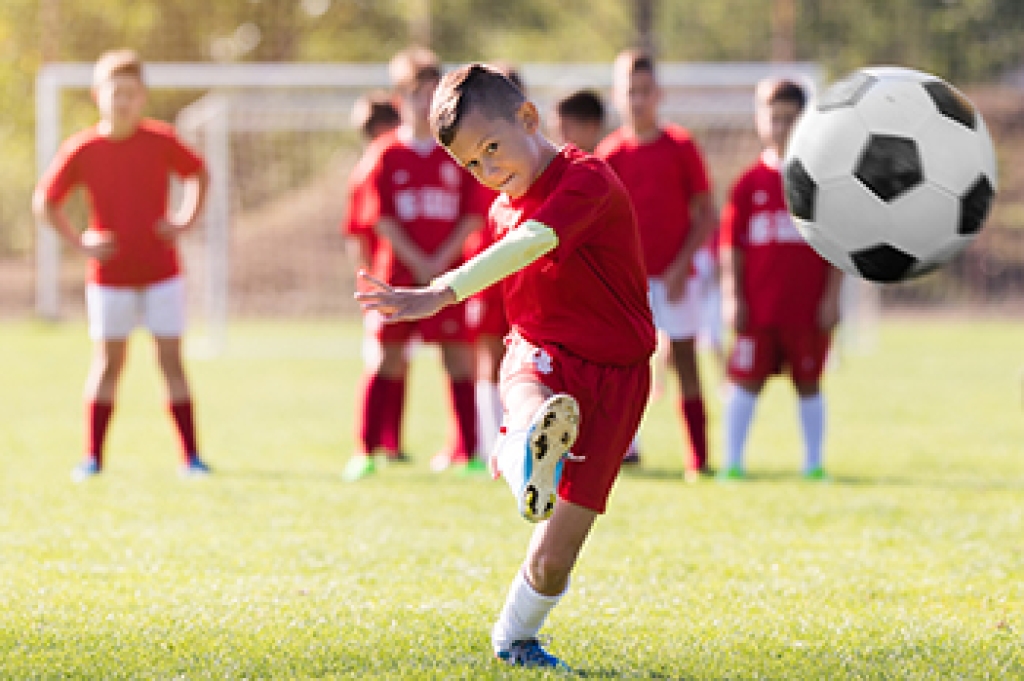
Though children’s feet may be small, they are complex structures. Taking care of them well early on can set children up for better foot health as they grow older. This is especially important if they play sports. The most important things to tend to in caring for children’s feet are well-fitting footwear, washing and drying feet well, and proper toenail cutting. Shoes that are the right size, comfortable, and appropriate for the activity are crucial to children’s foot health. Similarly, socks should fit well, be made of breathable material, and be changed often. Footwear should not be shared with other children to avoid the spread of infections and viruses that can impact feet, such as athlete’s foot and plantar warts. Kids should be taught to wash their feet thoroughly and dry them well to help prevent fungal and bacterial infections. Kid’s toenails should be cut straight across to ward off ingrown toenails. If you want to set your child up for a lifetime of foot health, particularly if they play sports, it is suggested that you take them to a podiatrist for regular checkups and to learn more about how to properly care for their feet.

Making sure that your children maintain good foot health is very important as they grow. If you have any questions, contact Richard DiBacco, DPM of Podiatry Associates of Erie, Inc.. Our doctor can provide the care you need to keep you pain-free and on your feet.

Keeping Children's Feet Healthy

Having healthy feet during childhood can help prevent medical problems later in life, namely in the back and legs. As children grow, their feet require different types of care. Here are some things to consider...

Although babies do not walk yet, it is still very important to take care of their feet.

Avoid putting tight shoes or socks on his or her feet.

Allow the baby to stretch and kick his or her feet to feel comfortable.

As a toddler, kids are now on the move and begin to develop differently. At this age, toddlers are getting a feel for walking, so don’t be alarmed if your toddler is unsteady or ‘walks funny’. 

As your child gets older, it is important to teach them how to take care of their feet.

Show them proper hygiene to prevent infections such as fungus.

Be watchful for any pain or injury.

Have all injuries checked by a doctor as soon as possible.

Comfortable, protective shoes should always be worn, especially at play.

If you have any questions, please feel free to contact one of our offices located in Erie and Meadville, PA, . We offer the newest diagnostic and treatment technologies for all your foot care needs.

Read more about What to Do to Keep Your Child’s Feet Healthy

Connect With Us

scroll to top