Like us on facebook
Follow us on twitter
review us on google

Understanding Freiberg Disease

Freiberg disease is a congenital foot-related condition that affects the metatarsal bones in the forefoot, most commonly near the base of the second toe. This disorder occurs when the bone tissue gradually weakens due to reduced blood supply, which may lead to joint damage over time. As the condition progresses, it may contribute to arthritis within the affected joint. Symptoms include forefoot pain, swelling, stiffness, and discomfort while walking or placing pressure on the ball of the foot. Causes may involve abnormal bone development, repetitive stress, or structural foot imbalance. Risk factors include certain foot shapes and prolonged pressure on the forefoot. A podiatrist can evaluate the condition and guide treatment. If your child has been born with this condition, it is suggested that you include a podiatrist on your healthcare team for expert management techniques.

Foot Pain

Foot pain can be extremely painful and debilitating. If you have a foot pain, consult with Richard DiBacco, DPM from Podiatry Associates of Erie, Inc.. Our doctor will assess your condition and provide you with quality foot and ankle treatment.

Causes

Foot pain is a very broad condition that could be caused by one or more ailments. The most common include:

  • Bunions
  • Hammertoes
  • Plantar Fasciitis
  • Bone Spurs
  • Corns
  • Tarsal Tunnel Syndrome
  • Ingrown Toenails
  • Arthritis (such as Gout, Rheumatoid, and Osteoarthritis)
  • Flat Feet
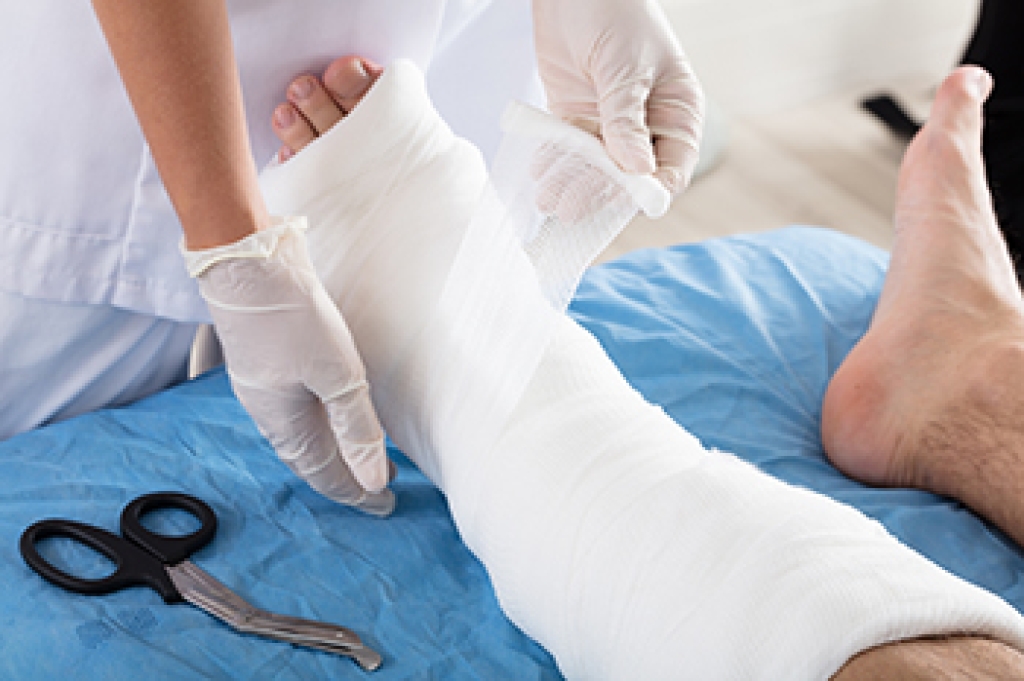
  • Injury (from stress fractures, broken toe, foot, ankle, Achilles tendon ruptures, and sprains)
  • And more

Diagnosis

To figure out the cause of foot pain, podiatrists utilize several different methods. This can range from simple visual inspections and sensation tests to X-rays and MRI scans. Prior medical history, family medical history, and any recent physical traumatic events will all be taken into consideration for a proper diagnosis.

Treatment

Treatment depends upon the cause of the foot pain. Whether it is resting, staying off the foot, or having surgery; podiatrists have a number of treatment options available for foot pain.

If you have any questions, please feel free to contact one of our offices located in Erie and Meadville, PA, . We offer the newest diagnostic and treatment technologies for all your foot care needs.

Read more about Foot Pain

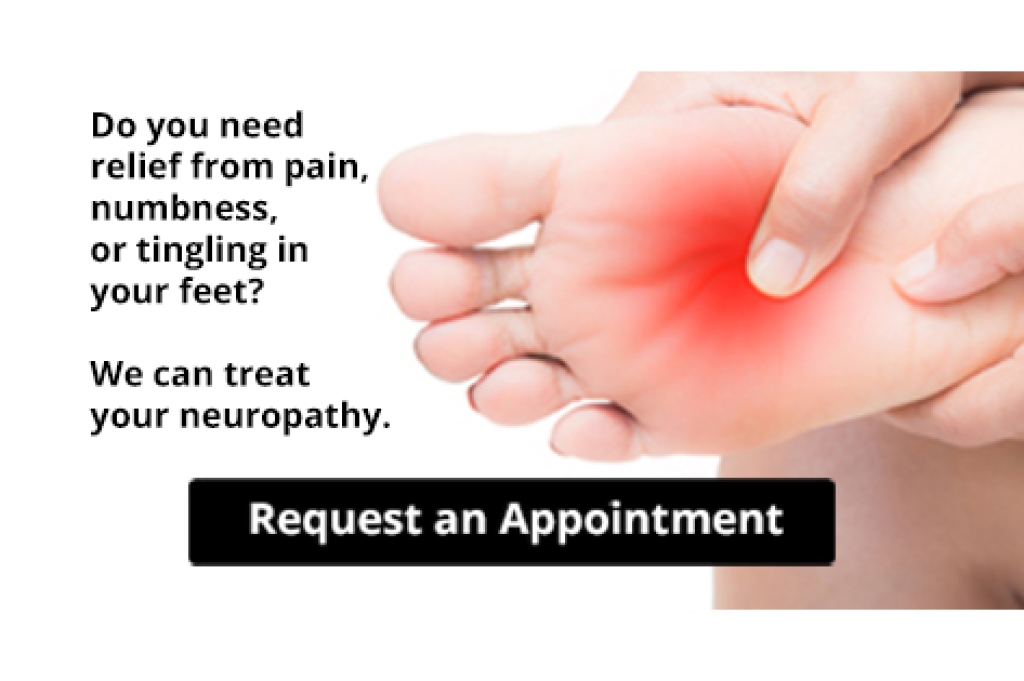
Are You Suffering From Nerve Damage?

Neuropathy is a condition that can lead to numbness or loss of sensation in the feet, but it can also cause pain. This condition is more likely to develop for those who are diabetic, obese, or with high blood pressure.

When Narrow Shoes Lead to Foot Pain

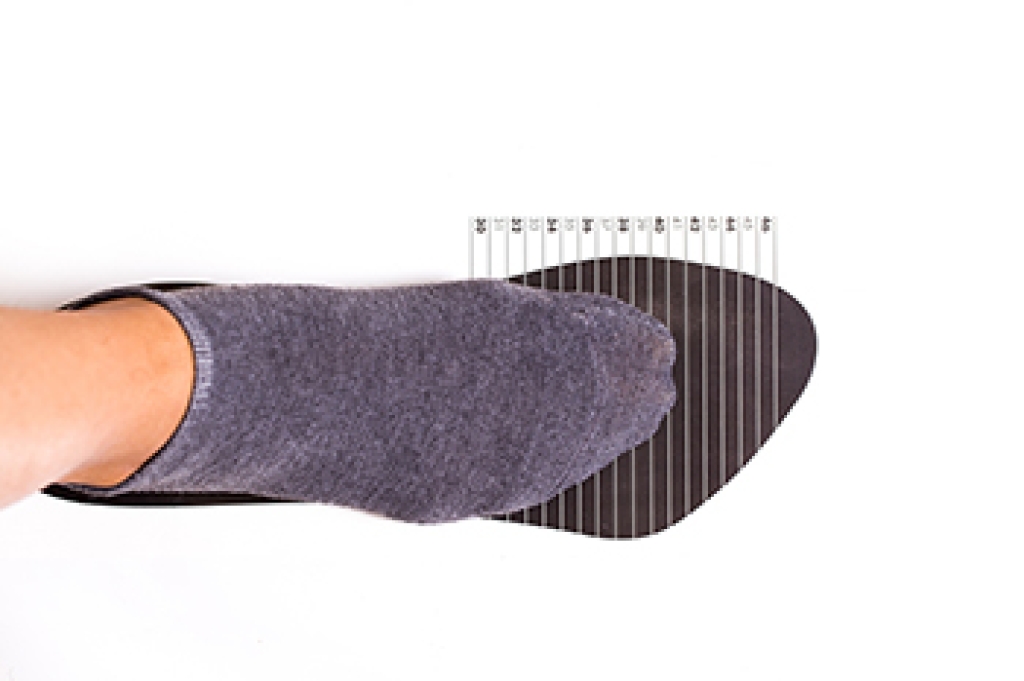
Proper shoe fitting is essential for maintaining foot health, especially when shoes are too narrow and place excess pressure on the toes and forefoot. Tight footwear can compress the toes, leading to irritation and redness. It also can contribute to formation of bunions or nerve pain like Morton's neuroma. The foot may develop overlapping toes or areas of thickened skin where friction occurs. Discomfort may worsen throughout the day and make walking or standing difficult. Causes include choosing fashion over fit, changes in foot shape, or not accounting for natural swelling. A podiatrist can assess foot size, shape, and gait to recommend properly fitting footwear and supportive options. Treatment may also include padding, orthotics, and guidance on selecting shoes with adequate width, depth, and cushioning. Choosing the correct shoe size and avoiding narrow styles can reduce pressure and prevent long-term problems. If you have foot pain related to shoe fit, it is suggested that you make an appointment with a podiatrist.

It is important to find shoes that fit you properly in order to avoid a variety of different foot problems. For more information about treatment, contact Richard DiBacco, DPM from Podiatry Associates of Erie, Inc.. Our doctor will treat your foot and ankle needs.

Proper Shoe Fitting

Shoes have many different functions. They cushion our body weight, protect our feet, and allow us to safely play sports. You should always make sure that the shoes you wear fit you properly in order to avoid injuries and deformities such as: bunions, corns, calluses, hammertoes, plantar fasciitis, stress fractures, and more. It is important to note that although a certain pair of shoes might be a great fit for someone else, that doesn’t mean they will be a great fit for you. This is why you should always try on shoes before buying them to make sure they are worth the investment. Typically, shoes need to be replaced ever six months to one year of regular use.

Tips for Proper Shoe Fitting

  • Select a shoe that is shaped like your foot
  • Don’t buy shoes that fit too tight, expecting them to stretch to fit
  • Make sure there is enough space (3/8” to ½”) for your longest toe at the end of each shoe when you are standing up
  • Walk in the shoes to make sure they fit and feel right
  • Don’t select shoes by the size marked inside the shoe, but by how the shoe fits your foot

The shoes you buy should always feel as good as they look. Shoes that fit properly will last longer, feel better, and improve your way of life each day.

If you have any questions please contact one of our offices located in Erie and Meadville, PA, . We offer the newest diagnostic and treatment technologies for all your foot and ankle needs.
Read more about Getting the Right Shoe Size

Connect With Us

scroll to top