Like us on facebook
Follow us on twitter
review us on google

Causes and Symptoms of Toenail Fungus

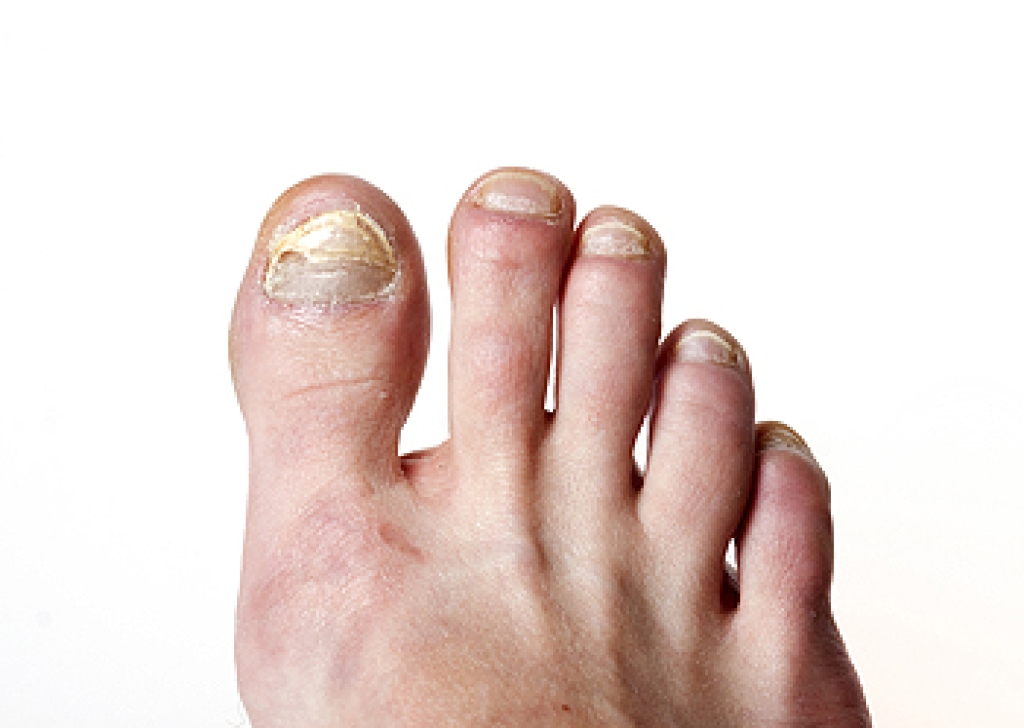
Toenail fungus, medically known as onychomycosis, is a common nail infection that can be both unsightly and uncomfortable. It typically occurs when fungal organisms, like dermatophytes, infiltrate the nail bed through small cuts or separations in the nail or surrounding skin. The symptoms of toenail fungus are recognizable. Infected nails often become discolored, appearing yellow, brown, or white, and they may thicken and become brittle. As the fungus progresses, the nails can become crumbly and ragged. In some cases, they may emit a foul odor. Other potential signs of toenail fungus include pain or discomfort, especially while wearing shoes. The infection can also spread to other nails or the surrounding skin, leading to additional fungal growth and irritation. If you have noticed the beginning signs of toenail fungus, it is strongly suggested that you schedule an appointment with a podiatrist who can promptly begin the appropriate treatment.

For more information about treatment, contact Richard DiBacco, DPM of Podiatry Associates of Erie, Inc.. Our doctor can provide the care you need to keep you pain-free and on your feet.

Toenail Fungus Treatment

Toenail fungus is a condition that affects many people and can be especially hard to get rid of. Fortunately, there are several methods to go about treating and avoiding it.

Antifungals & Deterrence

Oral antifungal medicine has been shown to be effective in many cases. It is important to consult with a podiatrist to determine the proper regiment for you, or potentially explore other options.

Applying foot powder on the feet and shoes helps keep the feet free of moisture and sweat.

Sandals or open toed shoes – Wearing these will allow air movement and help keep feet dry. They also expose your feet to light, which fungus cannot tolerate. Socks with moisture wicking material also help as well.

If you have any questions please contact one of our offices located in Erie and Meadville, PA, . We offer the newest diagnostic and treatment technologies for all your foot and ankle needs.

Read more about Toenail Fungus

Relief for Heel Spurs

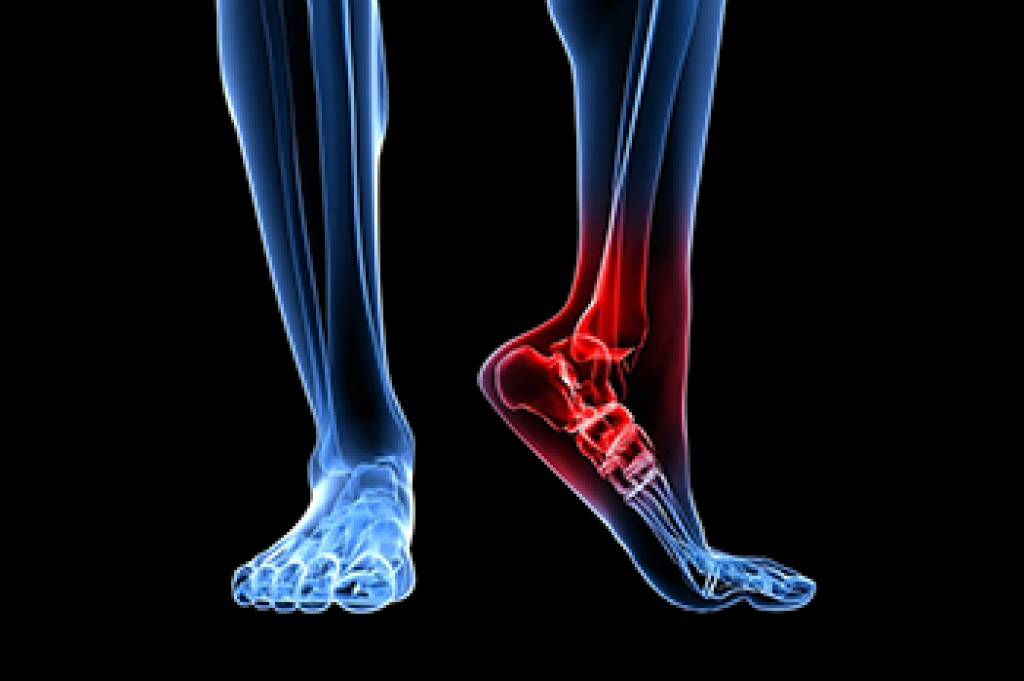
Heel spurs, which are bony growths on the underside of the heel, can cause significant pain and discomfort. They often occur along with plantar fasciitis, a condition characterized by inflammation in the bottom of the foot, particularly in the heel area. To alleviate this discomfort, various treatments and remedies from a podiatrist are available. Cold therapy can help reduce inflammation in the heel tissue. This may be achieved by using a cold compression pack or rolling the foot over a frozen water bottle. Wearing comfortable and well-fitting shoes is essential to reduce pressure on the heel spur. Wearing custom orthotics, prescribed by a podiatrist, can also provide extra heel support. Taking anti-inflammatory medications can help alleviate heel pain and reduce tissue inflammation. Stretching exercises for the calf, surrounding muscles, and the plantar fascia can ease strain and pressure on the heel spur. If you have a heel spur that is causing you persistent pain, it is suggested that you schedule an appointment with a podiatrist for appropriate treatment methods.

Heel spurs can be incredibly painful and sometimes may make you unable to participate in physical activities. To get medical care for your heel spurs, contact Richard DiBacco, DPM from Podiatry Associates of Erie, Inc.. Our doctor will do everything possible to treat your condition.

Heels Spurs

Heel spurs are formed by calcium deposits on the back of the foot where the heel is. This can also be caused by small fragments of bone breaking off one section of the foot, attaching onto the back of the foot. Heel spurs can also be bone growth on the back of the foot and may grow in the direction of the arch of the foot.

Older individuals usually suffer from heel spurs and pain sometimes intensifies with age. One of the main condition's spurs are related to is plantar fasciitis.

Pain

The pain associated with spurs is often because of weight placed on the feet. When someone is walking, their entire weight is concentrated on the feet. Bone spurs then have the tendency to affect other bones and tissues around the foot. As the pain continues, the feet will become tender and sensitive over time.

Treatments

There are many ways to treat heel spurs. If one is suffering from heel spurs in conjunction with pain, there are several methods for healing. Medication, surgery, and herbal care are some options.

If you have any questions, please feel free to contact one of our offices located in Erie and Meadville, PA, . We offer the newest diagnostic and treatment technologies for all your foot care needs.

Read more about How to Treat Heel Spurs

Let Us Treat Your Feet This Winter

Take extra care when walking on snow and ice. If you experience a fall and sustain an injury, we're here to help. We treat trauma, soft tissue injuries, and fractures.

Foot Bone Fractures May Be Warning Signs

Unexplained foot bone fractures may be the first subtle clue pointing to a condition known as osteoporosis. Affecting over 28 million Americans and contributing to 1.5 million bone fractures per year, this bone-thinning condition often advances unnoticed until a fracture occurs. Foot stress fractures are usually the result of overuse and pounding, common in runners and other athletes.  But they also may be the result of osteoporosis. As the bones become more porous, particularly in post-menopausal women, even routine activities like walking can become a potential trigger for fractures. However, osteoporosis can also affect younger individuals and men. Early symptoms may include heightened pain during walking, along with redness and swelling on the top of the foot. Ignoring any type of foot pain is discouraged, as early intervention significantly influences treatment outcomes. A podiatrist can play an important role in diagnosing osteoporosis through bone X-rays and various other tests. Custom orthotics may be recommended by a podiatrist to relieve pressure and provide shock absorption, especially during physical activity. If you experience unexplained foot pain, it is suggested that you schedule an appointment with a podiatrist for a full exam and diagnosis, with treatment options to suit your needs.

A broken foot requires immediate medical attention and treatment. If you need your feet checked, contact Richard DiBacco, DPM from Podiatry Associates of Erie, Inc.. Our doctor can provide the care you need to keep you pain-free and on your feet.

Broken Foot Causes, Symptoms, and Treatment

A broken foot is caused by one of the bones in the foot typically breaking when bended, crushed, or stretched beyond its natural capabilities. Usually the location of the fracture indicates how the break occurred, whether it was through an object, fall, or any other type of injury. 

Common Symptoms of Broken Feet:

  • Bruising
  • Pain
  • Redness
  • Swelling
  • Blue in color
  • Numbness
  • Cold
  • Misshapen
  • Cuts
  • Deformities

Those that suspect they have a broken foot shoot seek urgent medical attention where a medical professional could diagnose the severity.

Treatment for broken bones varies depending on the cause, severity and location. Some will require the use of splints, casts or crutches while others could even involve surgery to repair the broken bones. Personal care includes the use of ice and keeping the foot stabilized and elevated.

If you have any questions, please feel free to contact one of our offices located in Erie and Meadville, PA, . We offer the newest diagnostic and treatment technologies for all your foot care needs.

Read more about Causes, Symptoms, and Treatment for a Broken Foot

Managing Foot Pain During Pregnancy

Pregnancy often brings with it a range of physical changes, including the potential for foot pain. To navigate this discomfort, adopting tailored strategies becomes paramount. Elevated hormone levels and the added weight of the growing uterus can contribute to foot swelling and pain. Choosing comfortable, supportive footwear with ample space for expanding feet is essential. Regular elevation of the feet, especially after prolonged periods of standing or walking, helps alleviate swelling. Engaging in gentle foot exercises and stretches can enhance flexibility and reduce tension. Adequate hydration is essential in maintaining fluid balance and preventing excessive swelling. If foot pain persists, consulting a podiatrist ensures a comprehensive assessment and personalized recommendations. The feet can undergo numerous changes during pregnancy, and it is suggested that you consult a podiatrist who can guide you toward relief methods.

Pregnant women with swollen feet can be treated with a variety of different methods that are readily available. For more information about other cures for swollen feet during pregnancy, consult with Richard DiBacco, DPM from Podiatry Associates of Erie, Inc.. Our doctor will attend to all of your foot and ankle needs.

What Foot Problems Can Arise During Pregnancy?

One problem that can occur is overpronation, which occurs when the arch of the foot flattens and tends to roll inward.  This can cause pain and discomfort in your heels while you’re walking or even just standing up, trying to support your baby.  

Another problem is edema, or swelling in the extremities. This often affects the feet during pregnancy but tends to occur in the later stages. 

How Can I Keep My Feet Healthy During Pregnancy?

  • Wearing orthotics can provide extra support for the feet and help distribute weight evenly
  • Minimize the amount of time spent walking barefoot
  • Wear shoes with good arch support
  • Wear shoes that allow for good circulation to the feet
  • Elevate feet if you experience swelling
  • Massage your feet
  • Get regular, light exercise, such as walking, to promote blood circulation to the feet

If you have any questions, please feel free to contact one of our offices located in Erie and Meadville, PA, . We offer the newest diagnostic and treatment technologies for all your foot care needs.

Read more about Pregnancy and Foot Health

Connect With Us

scroll to top