Like us on facebook
Follow us on twitter
review us on google

Stages of Diabetic Foot Ulcers

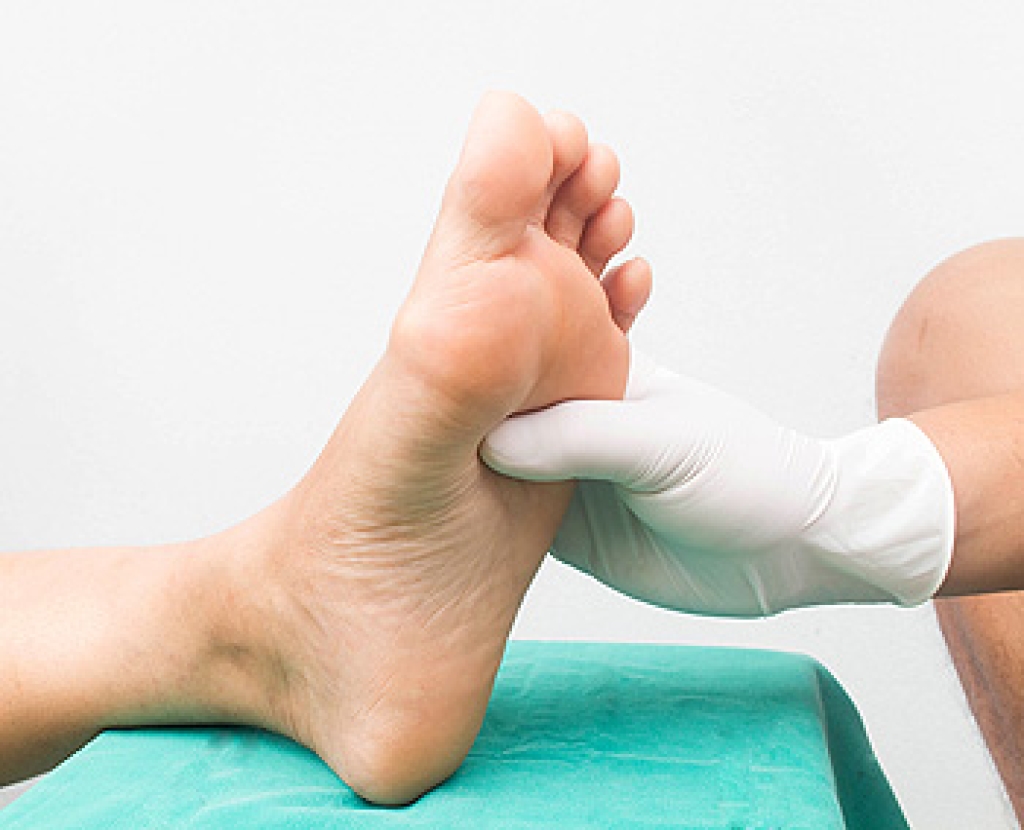
Diabetic foot ulcers progress through distinct stages, each requiring careful attention to prevent complications. Superficial ulceration begins with damage to the top layer of skin, often presenting as a small sore or redness. Deep ulceration extends into the tissues beneath the skin, increasing the risk of infection and discomfort. Osteomyelitis or deep abscess occurs when the infection reaches the bone, creating severe pain and swelling. In advanced cases, gangrene of the forefoot may develop, posing serious threats to mobility and overall health. A podiatrist can evaluate the severity of the ulcer, provide wound care, recommend protective footwear, and guide treatments to promote healing and prevent progression. If you have diabetes and notice any signs of a foot ulcer, it is suggested that you are under the care of a podiatrist who can help you to manage this serious condition.

Wound care is an important part in dealing with diabetes. If you have diabetes and a foot wound or would like more information about wound care for diabetics, consult with Richard DiBacco, DPM from Podiatry Associates of Erie, Inc.. Our doctor will assess your condition and provide you with quality foot and ankle treatment.

What Is Wound Care?

Wound care is the practice of taking proper care of a wound. This can range from the smallest to the largest of wounds. While everyone can benefit from proper wound care, it is much more important for diabetics. Diabetics often suffer from poor blood circulation which causes wounds to heal much slower than they would in a non-diabetic. 

What Is the Importance of Wound Care?

While it may not seem apparent with small ulcers on the foot, for diabetics, any size ulcer can become infected. Diabetics often also suffer from neuropathy, or nerve loss. This means they might not even feel when they have an ulcer on their foot. If the wound becomes severely infected, amputation may be necessary. Therefore, it is of the upmost importance to properly care for any and all foot wounds.

How to Care for Wounds

The best way to care for foot wounds is to prevent them. For diabetics, this means daily inspections of the feet for any signs of abnormalities or ulcers. It is also recommended to see a podiatrist several times a year for a foot inspection. If you do have an ulcer, run the wound under water to clear dirt from the wound; then apply antibiotic ointment to the wound and cover with a bandage. Bandages should be changed daily and keeping pressure off the wound is smart. It is advised to see a podiatrist, who can keep an eye on it.

If you have any questions please contact one of our offices located in Erie and Meadville, PA, . We offer the newest diagnostic and treatment technologies for all your foot and ankle needs.

Read more about Wound Care

Golden Years on Growing Feet

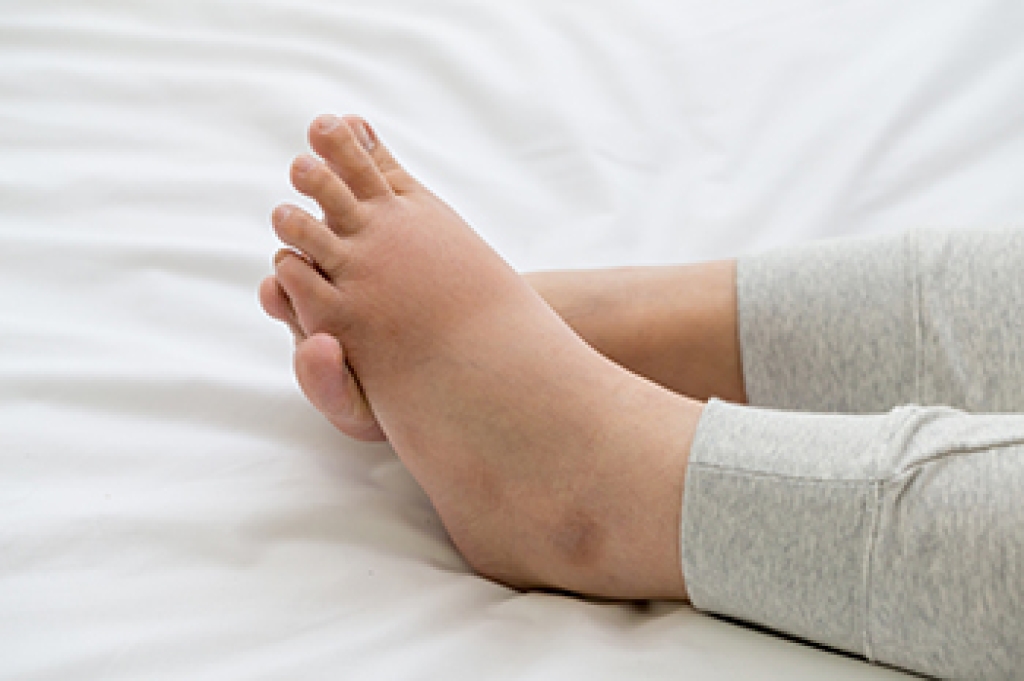
As people age, their feet often tell the story of a lifetime of movement, showing changes such as thinning skin, thicker nails, and altered shape. Aging feet may look dry, swollen, or slightly misshapen, and they can feel sore, stiff, or tired after even short periods of standing or walking. Common causes include reduced circulation, arthritis, diabetes, and years of repetitive stress on the feet and ankles. Symptoms include aching joints, balance issues, or painful pressure points that affect daily activities. A podiatrist begins with a thorough assessment to understand gait, circulation, and skin health, then develops a personalized plan. Treatment can include nail and skin care, custom orthotics for better support, and exercises to improve strength and balance. With proper care, older adults can maintain comfort and mobility. If you have aging feet causing pain, it is suggested that you make an appointment with a podiatrist.

Proper foot care is something many older adults forget to consider. If you have any concerns about your feet and ankles, contact Richard DiBacco, DPM from Podiatry Associates of Erie, Inc.. Our doctor can provide the care you need to keep you pain-free and on your feet.

The Elderly and Their Feet

As we age we start to notice many changes in our body, but the elder population may not notice them right away. Medical conditions may prevent the elderly to take notice of their foot health right away. Poor vision is a lead contributor to not taking action for the elderly.

Common Conditions 

  • Neuropathy – can reduce feeling in the feet and can hide many life-threatening medical conditions.
  • Reduced flexibility – prevents the ability of proper toenail trimming, and foot cleaning. If left untreated, it may lead to further medical issues.
  • Foot sores – amongst the older population can be serious before they are discovered. Some of the problematic conditions they may face are:
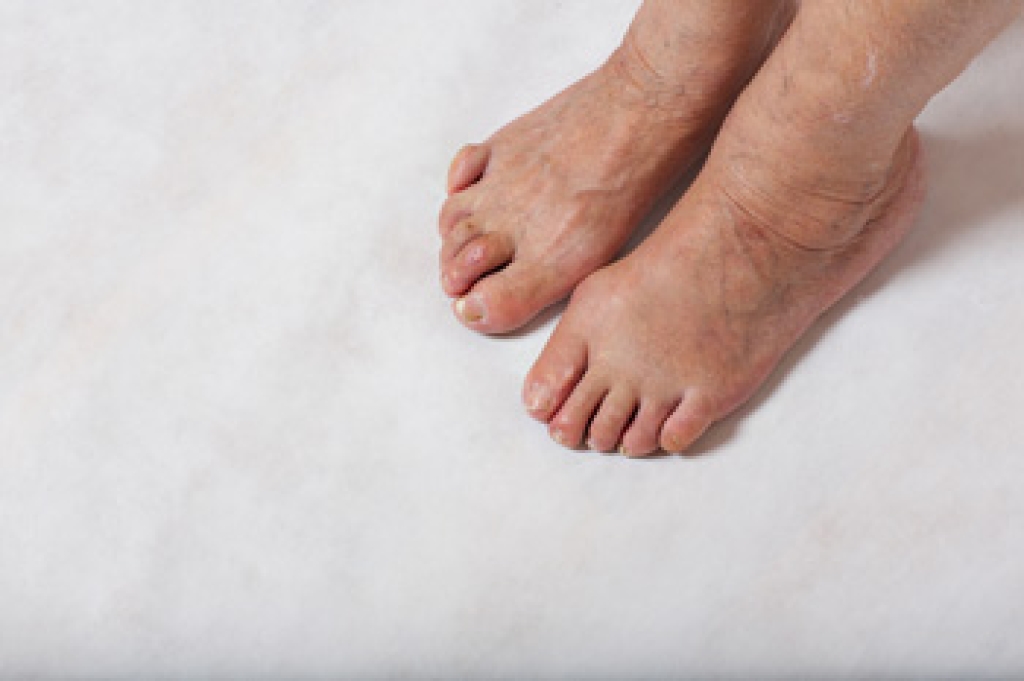
  • Gouging toenails affecting nearby toe
  • Shoes that don’t fit properly
  • Pressure sores
  • Loss of circulation in legs & feet
  • Edema & swelling of feet and ankles

Susceptible Infections

Diabetes and poor circulation can cause general loss of sensitivity over the years, turning a simple cut into a serious issue.

If you have any questions, please feel free to contact one of our offices located in Erie and Meadville, PA, . We offer the newest diagnostic and treatment technologies for all your foot care needs.

Read more about Taking Care of Elderly Feet

Fracture Blisters and When to Seek Care

A fracture blister is a skin reaction that develops after a bone is fractured, usually in areas where the skin is thin and close to the underlying bone. These blisters form due to swelling and increased pressure, and they can appear within hours or days of the injury. Symptoms may include clear or blood-filled blisters, tight skin on top of the blisters, redness, and tenderness around the injured area. This type of blister indicates significant trauma and requires careful management to prevent infection and complications. A podiatrist can evaluate the injury, protect the skin, and provide guidance for safe healing while addressing the underlying fracture. If you notice blisters after an injury, it is suggested that you promptly consult a podiatrist for proper treatment and protection.

Blisters are prone to making everyday activities extremely uncomfortable. If your feet are hurting, contact Richard DiBacco, DPM of Podiatry Associates of Erie, Inc.. Our doctor can provide the care you need to keep you pain-free and on your feet.

Foot Blisters

Foot blisters develop as a result of constantly wearing tight or ill-fitting footwear. This happens due to the constant rubbing from the shoe, which can often lead to pain.

What Are Foot Blisters?

A foot blister is a small fluid-filled pocket that forms on the upper-most layer of the skin. Blisters are filled with clear fluid and can lead to blood drainage or pus if the area becomes infected.

How Do Blisters Form?

Blisters on the feet are often the result of constant friction of skin and material, usually by shoe rubbing. Walking in sandals, boots, or shoes that don’t fit properly for long periods of time can result in a blister. Having consistent foot moisture and humidity can easily lead to blister formation.

Prevention & Treatment

It is important to properly care for the affected area in order to prevent infection and ease the pain. Do not lance the blister and use a Band-Aid to provide pain relief. Also, be sure to keep your feet dry and wear proper fitting shoes. If you see blood or pus in a blister, seek assistance from a podiatrist.

If you have any questions, please feel free to contact one of our offices located in Erie and Meadville, PA, . We offer the newest diagnostic and treatment technologies for all your foot care needs.
Read more about Blisters on the Feet

Keep Your Feet Healthy So You Can Stay Active

Have your feet inspected by a professional before starting a new sport or physical activity. Taking charge of your foot health will keep you in good physical condition and can help you avoid a potential injury, such as a fracture or sprained ankle.

Prevent injuries and see a foot specialist.

Common Causes of Pain on the Bottom of the Foot

Pain on the bottom of the foot is a frequent problem that can affect daily activities and overall mobility. One common cause is plantar fasciitis, which results from inflammation of the thick band of tissue running along the sole and often causes sharp heel pain, especially in the morning or after prolonged standing. Metatarsalgia, another cause, affects the ball of the foot and can result from overuse, wearing ill-fitting footwear, or excessive pressure during walking and running. Neuropathy, often associated with diabetes or nerve damage, can lead to tingling, burning, or numbness in the foot. A podiatrist can accurately diagnose the underlying cause, provide targeted treatments, recommend supportive footwear, and design custom orthotics to relieve pain. If you have pain or mild discomfort on the bottom of your foot, it is suggested that you consult a podiatrist who can offer effective relief and treatment solutions. 

Foot Pain

Foot pain can be extremely painful and debilitating. If you have a foot pain, consult with Richard DiBacco, DPM from Podiatry Associates of Erie, Inc.. Our doctor will assess your condition and provide you with quality foot and ankle treatment.

Causes

Foot pain is a very broad condition that could be caused by one or more ailments. The most common include:

  • Bunions
  • Hammertoes
  • Plantar Fasciitis
  • Bone Spurs
  • Corns
  • Tarsal Tunnel Syndrome
  • Ingrown Toenails
  • Arthritis (such as Gout, Rheumatoid, and Osteoarthritis)
  • Flat Feet
  • Injury (from stress fractures, broken toe, foot, ankle, Achilles tendon ruptures, and sprains)
  • And more

Diagnosis

To figure out the cause of foot pain, podiatrists utilize several different methods. This can range from simple visual inspections and sensation tests to X-rays and MRI scans. Prior medical history, family medical history, and any recent physical traumatic events will all be taken into consideration for a proper diagnosis.

Treatment

Treatment depends upon the cause of the foot pain. Whether it is resting, staying off the foot, or having surgery; podiatrists have a number of treatment options available for foot pain.

If you have any questions, please feel free to contact one of our offices located in Erie and Meadville, PA, . We offer the newest diagnostic and treatment technologies for all your foot care needs.

Read more about Foot Pain

Connect With Us

scroll to top