Like us on facebook
Follow us on twitter
review us on google

What Can Shockwave Therapy Be Used For?

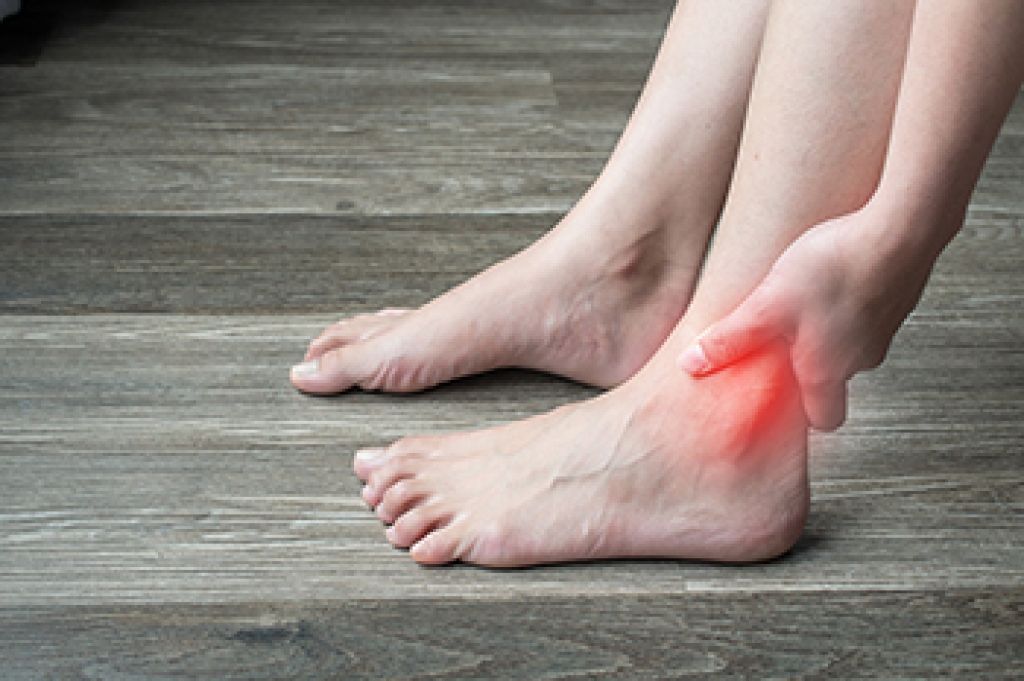
Patients who undergo shockwave therapy may notice how simple and effective this type of treatment can be. It is administered by sending wave pulses to the affected area of the foot, and this may be helpful in reducing existing inflammation. Shockwave therapy can be used in treating specific foot conditions that can include Achilles tendonitis, plantar fasciitis, or ligament injuries. It is known to stimulate the formation of new blood vessels, which is helpful in promoting healing. The benefit of choosing this type of treatment can include the short amount of time necessary to complete the treatments. The need for surgery may even be eliminated. If you would like additional information on how shockwave therapy can treat certain foot conditions, please confer with a podiatrist.

Shockwave therapy is a treatment commonly used to treat various injuries and conditions, particularly plantar fasciitis in the feet. To learn more, consult with Richard DiBacco, DPM from Podiatry Associates of Erie, Inc.. Our doctor can provide the care you need to keep you pain-free and on your feet.

Shockwave Therapy

Shockwave therapy is a new treatment option designed to treat bone conditions such as tennis elbow, shoulder pain, and others. Shockwave therapy uses high intensity sound waves that are directed to the affected tissues of the body with pinpoint accuracy. The effects are very beneficial, leading to a production of collagen fibers, eliminating inflammation.

Who Benefits from Shockwave?

Shockwave is recommended for patients suffering from heel pain and associated problems. Heel pain is a common condition which can be caused by obesity, overexertion, and spending a substantial amount of time on hard floors with your feet exposed and unsupported.

Fast and Easy

The therapy is actually a simple process that can leave patients feeling better the very next day. Shockwave therapy is not as dramatic as it sounds. It enables more blood flow to effected areas, addressing the source of the problem and allowing treatment to last for a long time.

Treatment & Recovery Time

Shockwave treatment will enable your feet to recover quickly. This is especially important since surgery is not required. It is cost effective and does not require the use of anesthesia. This treatment is a better option to surgery, since it is proven safe.

If you have any questions, please feel free to contact one of our offices located in Erie and Meadville, PA, . We offer the newest diagnostic and treatment technologies for all your foot care needs.
Read more about Treating Heel Pain with Shockwave Therapy

What Is Proprioception and Why Is It Important?

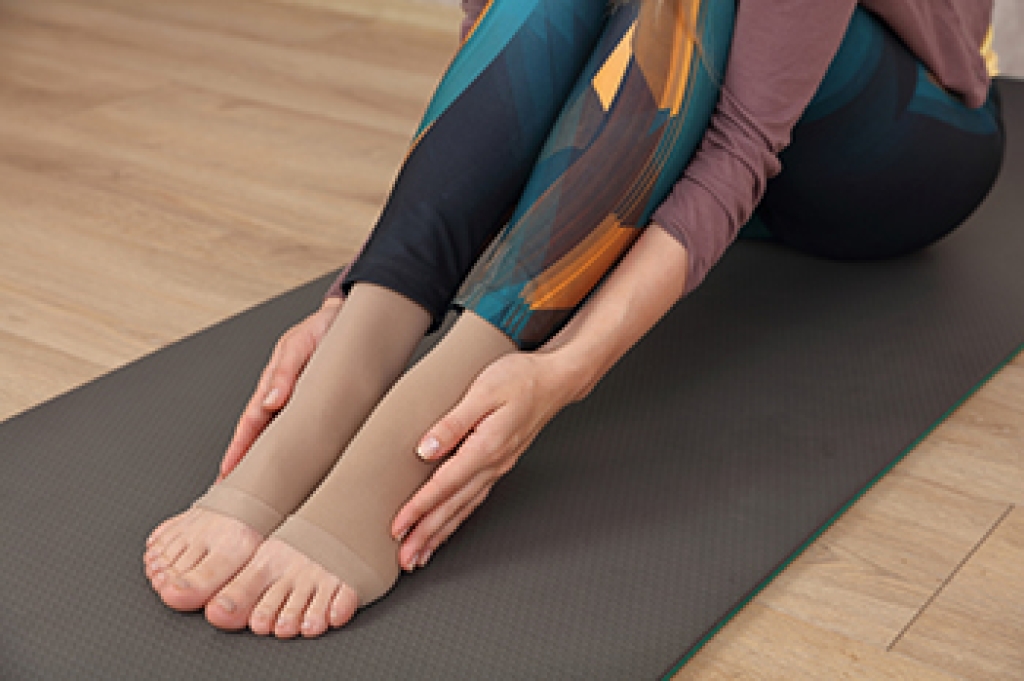
Proprioception is the body’s ability to sense movement and position, allowing the feet and ankles to adjust instantly to changes in terrain. Proprioception plays a key role in balance, coordination, and injury prevention. Nerve endings in the feet, tendons, and joints send signals to the brain that help control movement and stability, especially when walking or running on uneven ground. When proprioception is impaired by injury, aging, or disease, it can affect balance and agility, raising the risk of sprains or falls. Exercises that improve proprioception, such as balancing on one leg or standing on uneven surfaces, can help strengthen the muscles of the feet and enhance stability. A podiatrist can evaluate proprioceptive function and recommend strengthening routines to help restore control and balance. If you are experiencing balance or stability problems, it is suggested that you make an appointment with a podiatrist for a diagnosis and treatment.

If you have any concerns about your feet, contact Richard DiBacco, DPM from Podiatry Associates of Erie, Inc.. Our doctor can provide the care you need to keep you pain-free and on your feet.

Biomechanics in Podiatry

Podiatric biomechanics is a particular sector of specialty podiatry with licensed practitioners who are trained to diagnose and treat conditions affecting the foot, ankle and lower leg. Biomechanics deals with the forces that act against the body, causing an interference with the biological structures. It focuses on the movement of the ankle, the foot and the forces that interact with them.

A History of Biomechanics

  • Biomechanics dates back to the BC era in Egypt where evidence of professional foot care has been recorded.
  • In 1974, biomechanics gained a higher profile from the studies of Merton Root, who claimed that by changing or controlling the forces between the ankle and the foot, corrections or conditions could be implemented to gain strength and coordination in the area.

Modern technological improvements are based on past theories and therapeutic processes that provide a better understanding of podiatric concepts for biomechanics. Computers can provide accurate information about the forces and patterns of the feet and lower legs.

Understanding biomechanics of the feet can help improve and eliminate pain, stopping further stress to the foot.

If you have any questions please feel free to contact one of our offices located in Erie and Meadville, PA, . We offer the newest diagnostic and treatment technologies for all your foot and ankle needs.

Read more about Biomechanics in Podiatry

Preventing Ankle Sprains in Football

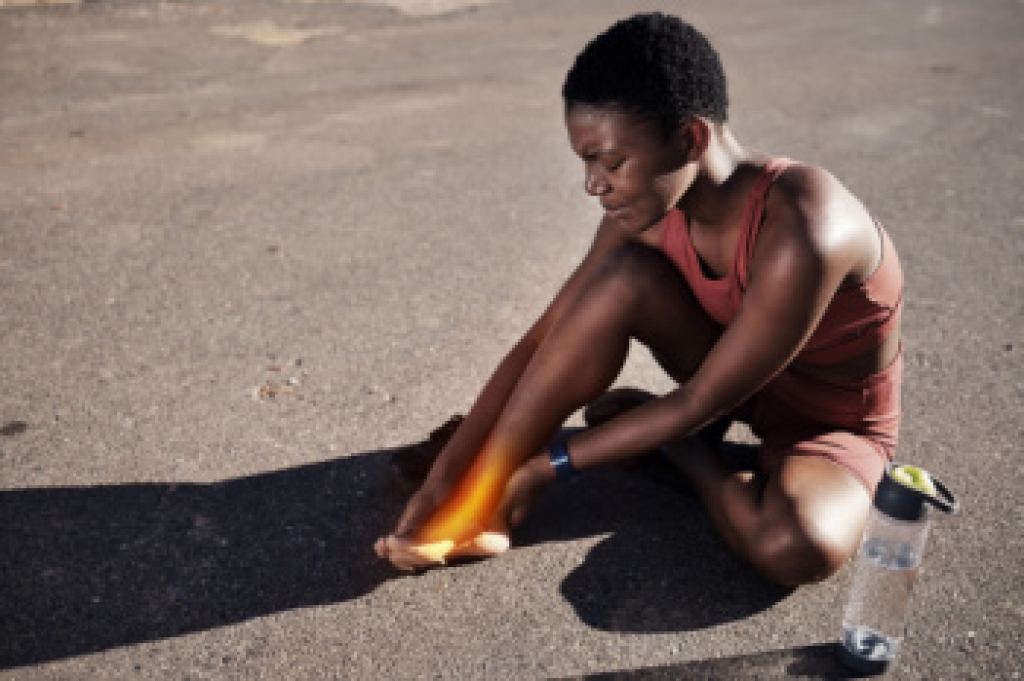
Ankle sprains are common in football due to sudden changes in direction, tackles, uneven surfaces, and high-impact movements. Symptoms include pain, swelling, bruising, and difficulty walking or bearing weight. Sprains are classified by severity. First degree involves mild ligament stretching with minimal swelling and usually recovers within one to two weeks. Second degree includes partial ligament tears, moderate swelling and bruising, and may take three to six weeks to heal. Third degree is a complete tear, causing severe pain, instability, and requiring six to twelve weeks or longer for recovery. A podiatrist can assess the injury, provide bracing or supportive devices, recommend rehabilitation exercises, and guide a safe return to play. If you have sustained an ankle injury, it is suggested that you consult a podiatrist who can provide an accurate diagnosis and offer effective treatment solutions.

Sports related foot and ankle injuries require proper treatment before players can go back to their regular routines. For more information, contact Richard DiBacco, DPM of Podiatry Associates of Erie, Inc.. Our doctor can provide the care you need to keep you pain-free and on your feet.

Sports Related Foot and Ankle Injuries

Foot and ankle injuries are a common occurrence when it comes to athletes of any sport. While many athletes dismiss the initial aches and pains, the truth is that ignoring potential foot and ankle injuries can lead to serious problems. As athletes continue to place pressure and strain the area further, a mild injury can turn into something as serious as a rupture and may lead to a permanent disability. There are many factors that contribute to sports related foot and ankle injuries, which include failure to warm up properly, not providing support or wearing bad footwear. Common injuries and conditions athletes face, including:

  • Plantar Fasciitis
  • Achilles Tendinitis
  • Achilles Tendon Rupture
  • Ankle Sprains

Sports related injuries are commonly treated using the RICE method. This includes rest, applying ice to the injured area, compression and elevating the ankle. More serious sprains and injuries may require surgery, which could include arthroscopic and reconstructive surgery. Rehabilitation and therapy may also be required in order to get any recovering athlete to become fully functional again. Any unusual aches and pains an athlete sustains must be evaluated by a licensed, reputable medical professional.

If you have any questions please contact one of our offices located in Erie and Meadville, PA, . We offer the newest diagnostic and treatment technologies for all your foot and ankle needs.

Read more about Sports Related Foot And Ankle Injuries

Causes of a Sprained Toe

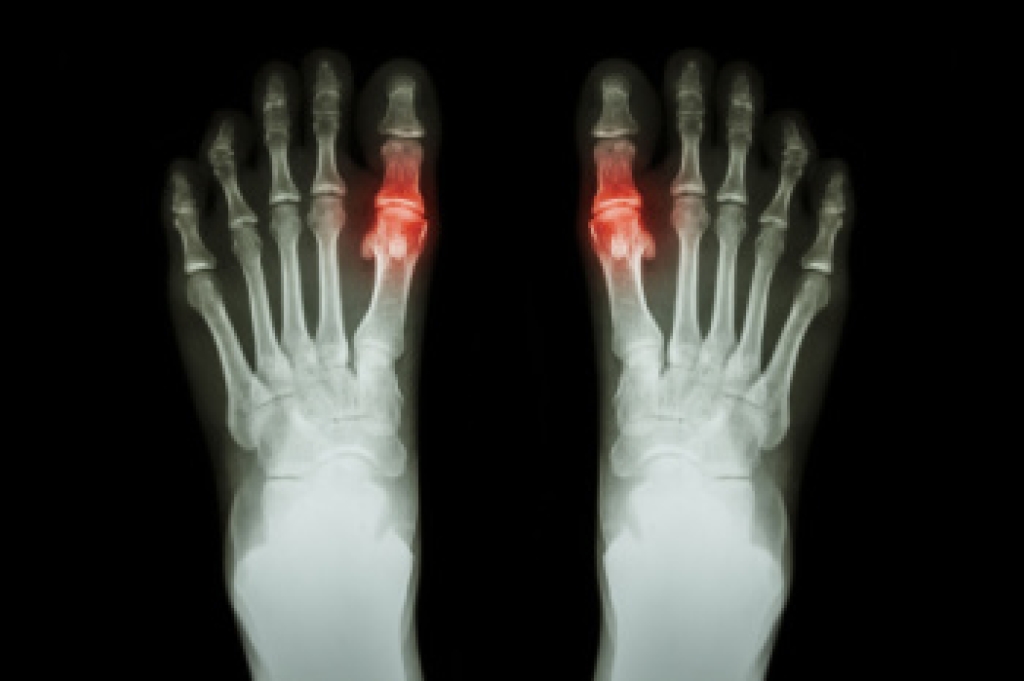
A sprained toe, also known as turf toe, happens when the ligaments surrounding the big toe joint are overstretched or torn. This injury often results from forceful upward bending of the toe during sports or sudden movements. Symptoms include swelling, bruising, limited mobility, and a feeling of imbalance while walking. Risk factors include arthritis, gout, previous toe sprains, and high impact sports. A podiatrist can assess the injury, provide imaging, if needed, recommend supportive footwear or custom orthotics, and design a recovery plan to restore strength and flexibility. Early care prevents chronic pain and stiffness.  If you have symptoms of a sprained toe, it is suggested that you consult a podiatrist for expert advice and appropriate treatment solutions.

Toe pain can disrupt your daily activities. If you have any concerns, contact Richard DiBacco, DPM of Podiatry Associates of Erie, Inc.. Our doctor can provide the care you need to keep you pain-free and on your feet.

What Causes Toe Pain?

Most severe toe pain is caused due to a sports injury, trauma from dropping something heavy on the toe, or bumping into something rigid. Other problems can develop over time for various reasons.

Toe pain can be caused by one or more ailments. The most common include:

  • Trauma
  • Sports injury
  • Wearing shoes that are too tight
  • Arthritis
  • Gout
  • Corns and calluses
  • Hammertoe
  • Bunions
  • Blisters
  • Ingrown toenails
  • Sprains
  • Fractures (broken bones)
  • Dislocations

When to See a Podiatrist

  • Severe pain
  • Persistent pain that lasts more than a week
  • Signs of infection
  • Continued swelling
  • Pain that prevents walking

Diagnosis

In many cases the cause of toe pain is obvious, but in others, a podiatrist may want to use more advanced methods to determine the problem. These can range from simple visual inspections and sensation tests to X-rays and MRI scans. Prior medical history, family medical history, and any recent physical traumatic events will all be taken into consideration for a proper diagnosis.

Treatment

Treatments for toe pain and injuries vary and may include shoe inserts, padding, taping, medicines, injections, and in some cases, surgery. If you believe that you have broken a toe, please see a podiatrist as soon as possible.

If you have any questions please contact one of our offices located in Erie and Meadville, PA, . We offer the newest diagnostic and treatment technologies for all your foot and ankle needs.

Read more about Toe Pain

Connect With Us

scroll to top